
Scarring
Scarring can occur when the skin’s natural healing process is disrupted after injury, acne, or other forms of inflammation. For many, scars are more than just surface marks; they can affect confidence and serve as reminders of the challenges their skin has endured.
At LUSH, we believe scars don’t have to define your skin’s story. Our goal is to restore texture, tone, and smoothness through advanced treatments that encourage healing from within, helping you feel proud and confident in your skin again.
What causes scarring?
Scars form when the deeper layers of the skin are damaged and collagen fibres rebuild unevenly during the healing process. Several factors influence how a scar develops, including:
- Inflammatory acne or injury, which damages tissue beneath the surface
- Picking or squeezing blemishes, which disrupts natural repair
- Genetic predisposition to pigmentation or irregular healing
- Sun exposure, which can darken or thicken scars over time
- Delayed treatment, allowing scar tissue to set in before proper recovery
At LUSH, we assess the type and depth of each scar to recommend targeted treatments that smooth texture, refine tone, and strengthen the skin’s natural repair cycle.
Types of scarring
Scarring can appear in many forms, depending on how the skin heals after injury, inflammation, or stretching. Understanding the type of scar helps us tailor treatments that support proper repair and restore smoother, firmer skin.
- Atrophic scars: Sunken or pitted marks caused by a loss of tissue, often following acne or chickenpox. They may appear as small indentations or “ice pick” scars on the skin’s surface.
- Hypertrophic scars: Formed when excess collagen builds up during healing, creating firm, raised areas within the original wound site.
- Keloid scars: Similar to hypertrophic scars, but extend beyond the edges of the original wound. They’re more common in darker skin tones and can be challenging to treat without professional guidance.
- Surgical scars: Developed after procedures such as C-sections or other surgeries. They can often be refined and softened with targeted treatments.
- Stretch marks (striae): Caused when the skin stretches rapidly, disrupting collagen and elastin fibres. They’re a form of internal scarring commonly seen after pregnancy, growth, or weight changes.
- Contracture scars: Typically caused by burns and form when the skin tightens during healing, sometimes restricting movement if they occur near joints or muscles.
-
Treatments to support scarring
We always begin with a Diagnostic Skin Consultation to analyse your skin and design a personalised plan that supports healing and long-term skin renewal. Treatments may include:

Excel V Global Skin Rejuvenation
Corrects redness and pigmentation linked to scarring.

Skin Needling
Promotes collagen and elastin renewal to smooth indented or uneven scars.
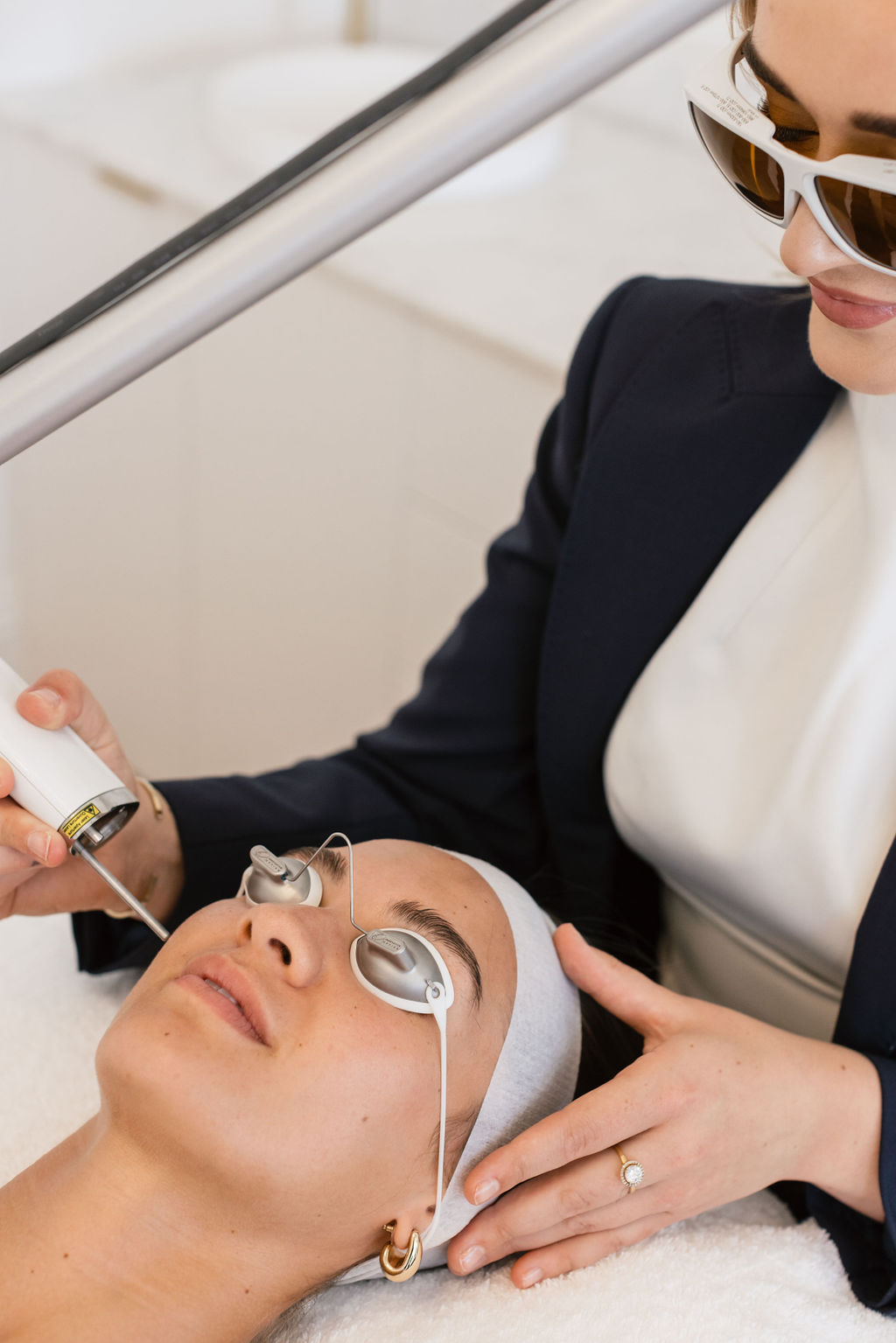
Cutera Enlighten Pico Genesis
Brightens and evens tone to reduce the appearance of pigmentation in scars.

BioRePeel
Smooths uneven skin and softens the appearance of scars through gentle resurfacing.

Vivace RF Skin Needling
Rebuilds collagen and tightens the skin, improving the texture of scars and stretch marks.
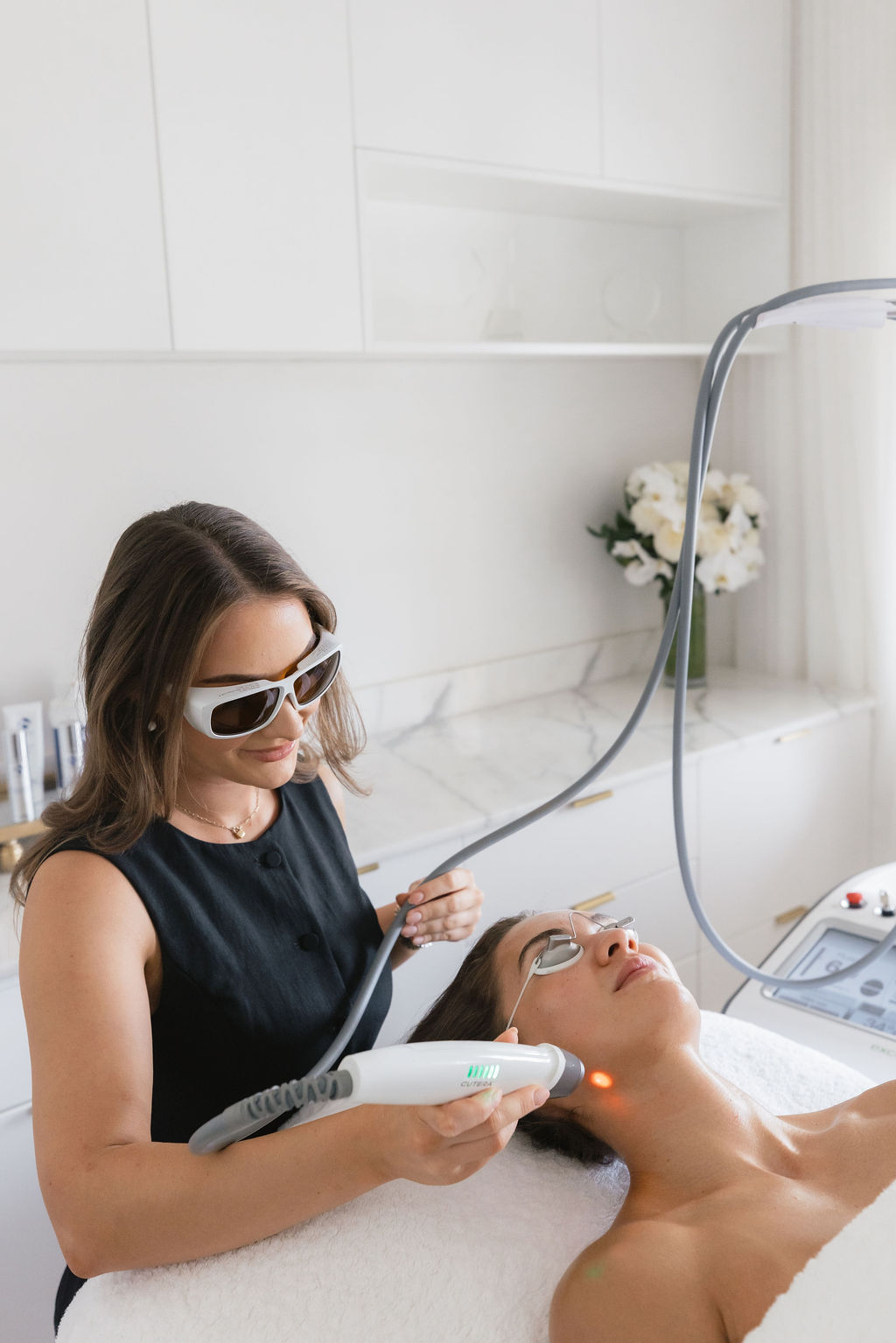
Laser Genesis
Refines pores and improves texture with collagen stimulation.

Cutera Excel V+ Green Genesis
Reduces redness around scars and promotes clearer, more even skin.
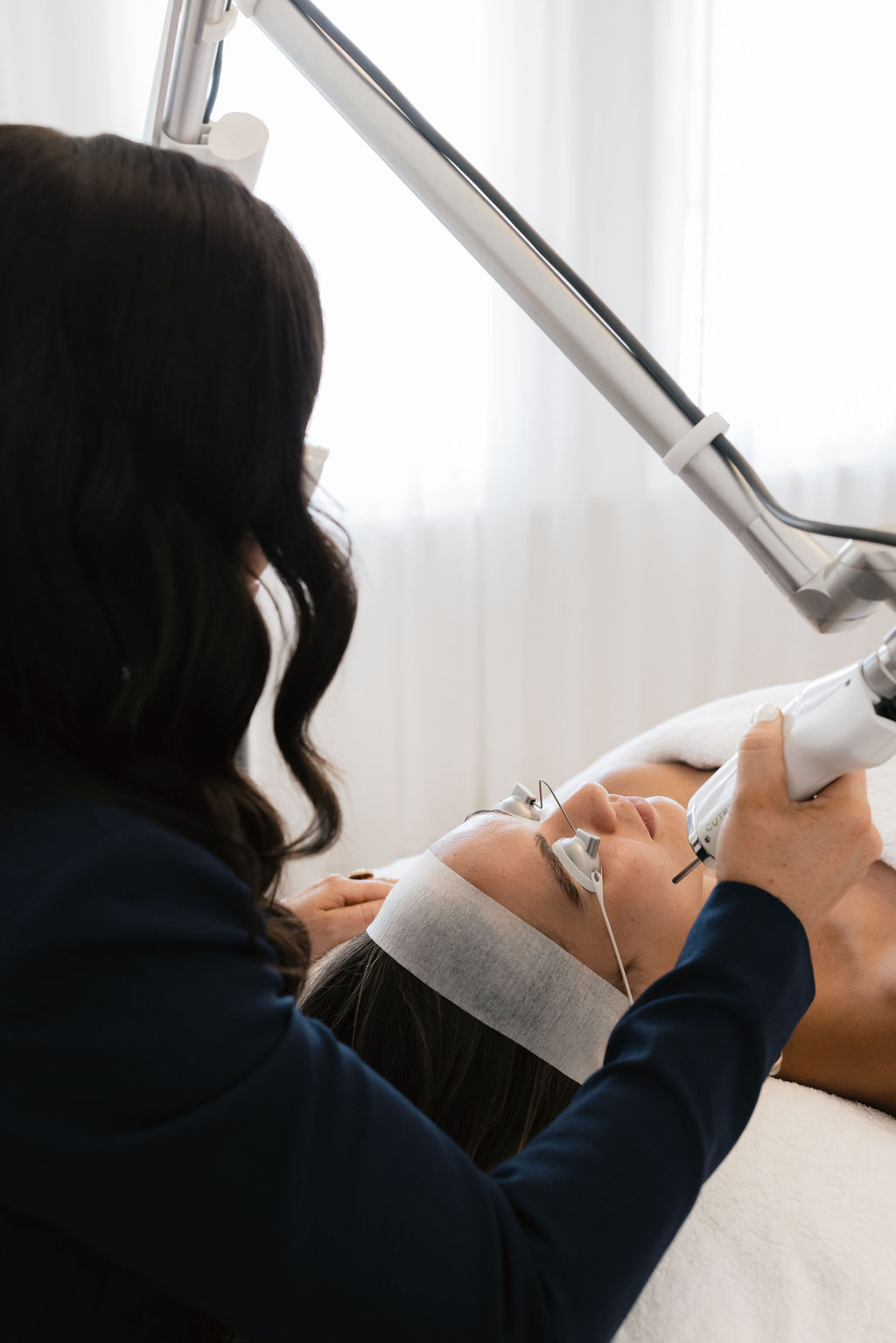
Cutera Pico Genesis FX
Stimulates collagen to smooth uneven texture and refine scarring.
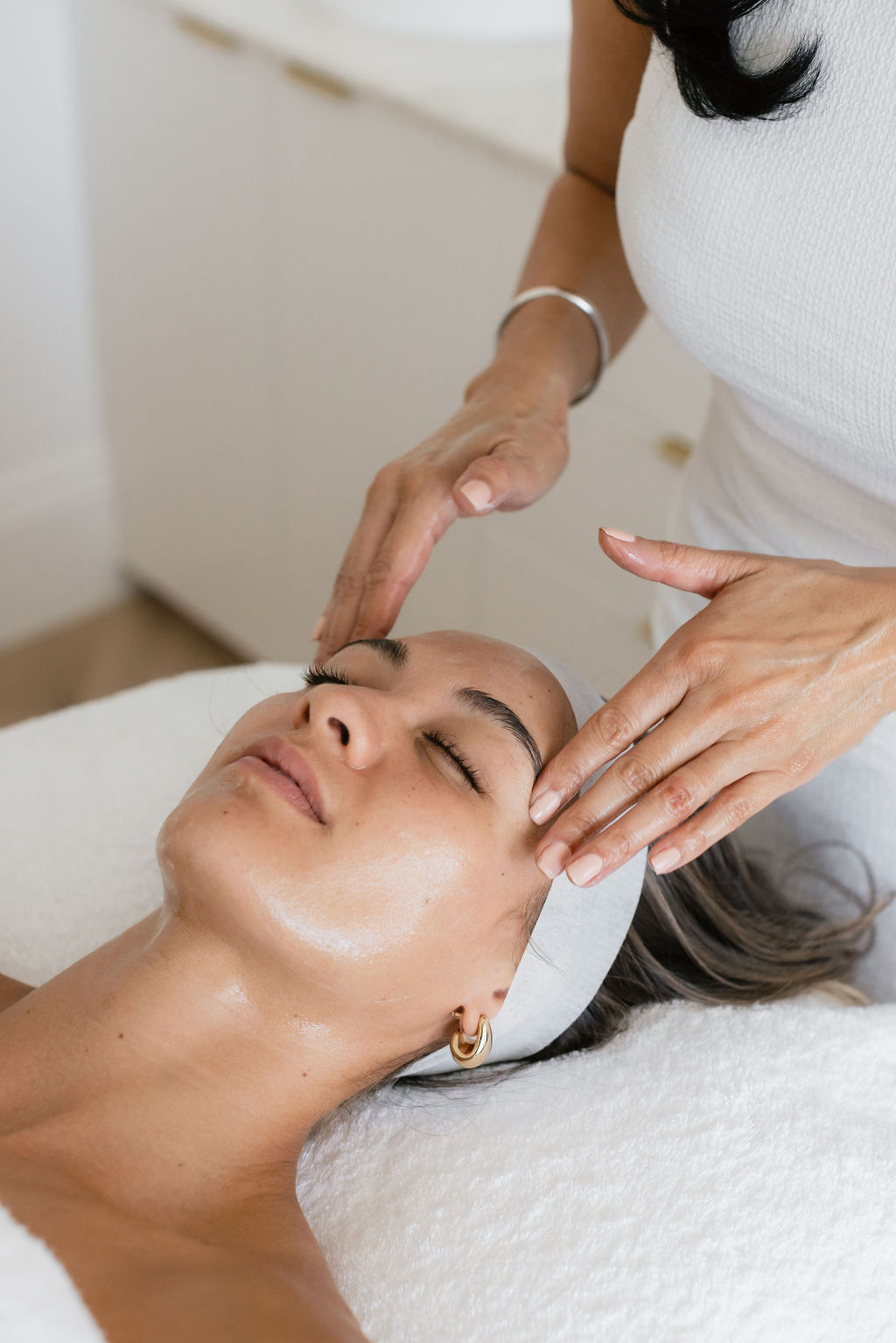
Chemical Skin Peels
Refresh the surface to reduce texture irregularities and enhance overall tone.
Your next step
Every scar tells a story, but it doesn’t have to be permanent. Book your Diagnostic Skin Consultation to discover the most effective way to smooth, renew, and strengthen your skin so that you can feel confident in every reflection.