Treatments to Reduce Rosacea & Redness
Rosacea is a chronic skin condition that causes redness, flushing, and visible capillaries, often appearing on the cheeks, nose, and chin. For many, it can also bring sensitivity, warmth, or small bumps that resemble breakouts.
At LUSH, we understand how challenging rosacea can feel, especially when it flares without warning. Our approach focuses on calming inflammation, strengthening the skin barrier, and reducing visible redness, so your skin can feel comfortable, confident, and under control again.
What causes rosacea?
The exact cause of rosacea isn’t fully understood, but we know it’s linked to a combination of genetic, vascular, and environmental factors. Triggers vary from person to person, which is why individual assessment is key to effective management.
Common causes and triggers include:
- Genetic predisposition to vascular sensitivity
- Temperature changes, especially moving between heat and cold
- Sun exposure, which damages fragile capillaries and worsens redness
- Certain foods and drinks, including spicy food, caffeine, and alcohol
- Stress or hormonal changes can heighten sensitivity and flare-ups
- Skincare or cosmetics with fragrance or alcohol
Our team takes the time to understand your specific triggers and skin history, creating a plan that helps minimise flare-ups and strengthen your skin over time.
Types of rosacea
-
Erythematotelangiectatic rosacea: General redness and visible blood vessels.
-
Papulopustular rosacea: Redness with acne-like bumps or pustules.
-
Phymatous rosacea: Thickening of the skin, most often around the nose.
-
Ocular rosacea: Affects the eyes, causing dryness or irritation.
Treatments to support rosacea
We always begin with a Diagnostic Skin Consultation to identify your rosacea type, triggers, and tolerance levels. This allows us to build a treatment plan that soothes, strengthens, and stabilises the skin barrier.
Cutera Excel V+ Green Genesis
Precisely targets redness and visible veins to even skin tone.

Cutera Excel V+ Green Genesis & Laser Genesis
Improves circulation and rebuilds skin strength to minimise flare-ups.
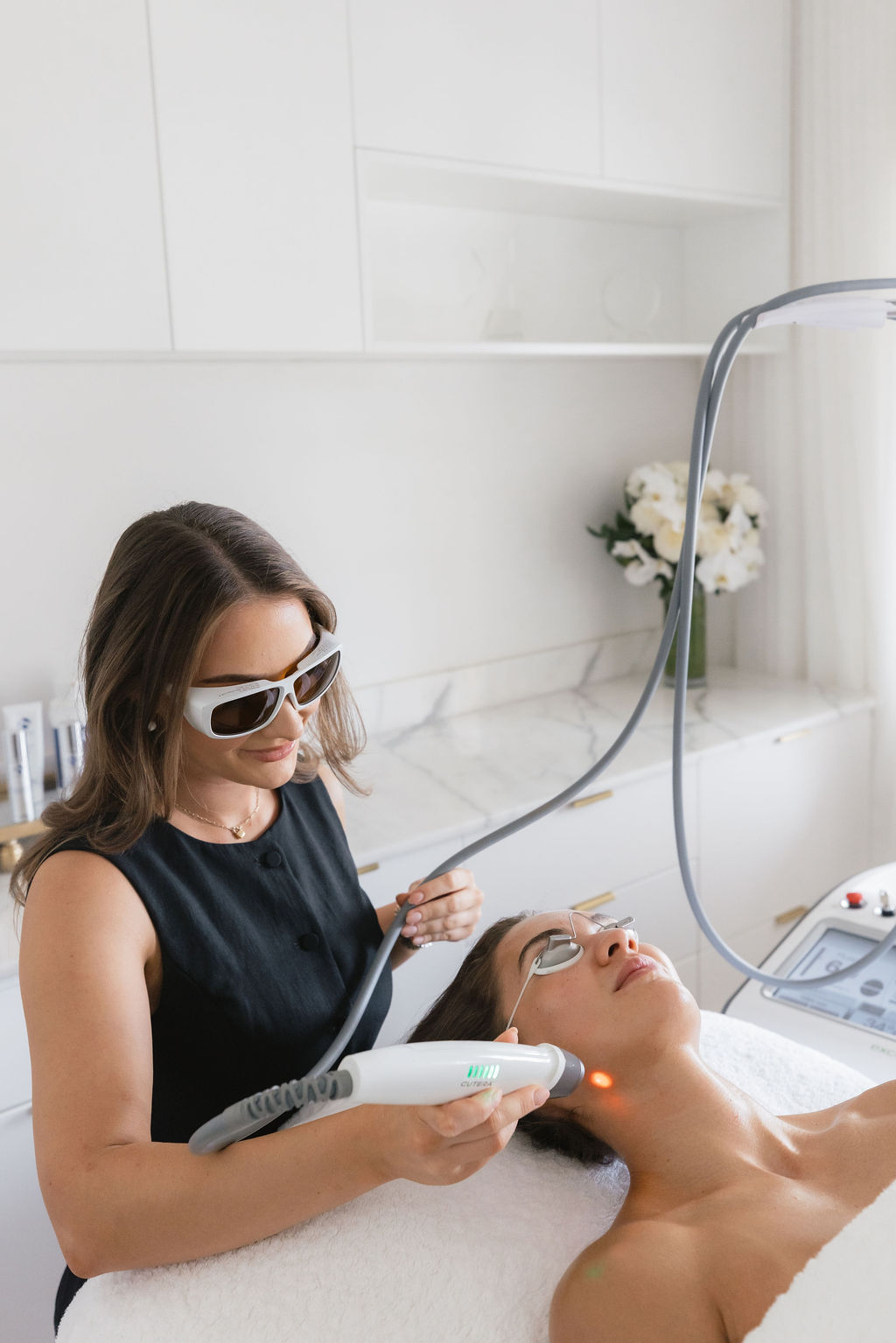
Laser Genesis
Stimulates collagen, refines pores, and calms diffuse redness.

Excel V Global Skin Rejuvenation
Treats redness and visible veins for a more even complexion.
Excel V Vein Removal
Eliminates broken capillaries and thread veins with precision.
Your next step
Rosacea may be long-term, but flare-ups don’t have to define your skin. Book your Diagnostic Skin Consultation to understand your triggers and begin a personalised plan to calm, strengthen, and restore your skin’s natural balance.
Frequently Asked Questions
What is rosacea?
Rosacea is an inflammatory condition of the skin, and presents differently in every individual. Facial redness is the common denominator, extending outwards from the nose across the lateral cheeks and down to the jawline. Some, but not all, experience redness around the nasal folds and chin. The redness is persistent: it may fluctuate in severity, but it does not come and go. Some individuals experience pustular rosacea; when the redness is coupled with small pimple-like bumps, while others do not, and usually just present with some roughness or uneven texture. Some rosacea skins will be highly reactive to even the gentlest skincare products, while others are quite resilient.
What causes rosacea?
Despite decades of literature, there is still no clear consensus on the etiology of rosacea. We know the skin is persistently inflamed, but we do not know the cause. It is likely a genetic condition, though many continue to attribute its origins to the demodex mite. There are also no specific triggers for rosacea, as these also vary greatly between individuals. These can include internal and external factors, including spicy food, some skincare ingredients, alcohol, heat, exercise, UV exposure, and consumption of dietary intolerances. As these vary person to person, it may prove useful keeping a diary to better keep track of your individual triggers.
What triggers Rosacea?
Triggers vary wildly between individuals. Common culprits include heat, UV exposure, spicy foods, and alcohol (due to their vascular flushing properties). While social media often blames dairy or gluten, clinical research on food triggers remains inconclusive. We recommend keeping a skin diary to track whether a flare-up is caused by a specific food, or simply a stressful week.
Is rosacea just sensitivity?
No, rosacea is not the same as sensitivity. Many confuse redness with sensitive skin, however, just because the skin is flushed does not mean sensitivity is present. Some rosacea skins may also experience sensitivity, and react with flushing and stinging in response to touch, heat, and skincare products. Others with rosacea may be quite resilient, and able to use ingredients like chemical peel agents, retinols, vitamin C, and other quite active stimulating skincare products without negative symptoms.
What skincare should I use for rosacea?
Because persistent inflammation is the underlying concern, your homecare routine should focus on calming and barrier-repairing ingredients. Our clinicians frequently recommend the following:
- Vitamin Bs – including B3 and B5 – are highly effective anti-inflammatory agents which can down-regulate inflammatory mediators, and may help to reduce redness.
- Calming botanicals like chamomile and aloe vera offer soothing qualities which can help reduce redness and heat in the skin during rosacea flare-ups.
- Zinc is well known for its ability to reduce the inflammatory cascade, while also offering anti-microbial properties for those with pustular rosacea.
- Hydration & moisture – it is essential to keep inflamed skin well hydrated and moisturised to reduce symptoms and improve its healing abilities. Utilise water-attracting ingredients like hyaluronic acid, glycerin, and propanediol, and seal it in with occlusive moisturisers and facial oils containing ceramides or essential fatty acids.
- Antioxidants – combat oxidative stress and free radical damage caused by continuous inflammation by replenishing the skin’s antioxidant supply, including vitamin C (if tolerated), resveratrol, coenzyme q10, vitamin E, niacinamide, or various phytonutrients.
Professional Rosacea Treatments at LUSH
Managing rosacea requires a tailored approach. Following a thorough skin diagnostic, our Shepparton clinicians may recommend gentle chemical peels, skin needling, targeted exosomes, or specialised vascular laser therapy to reduce flushing and rebuild dermal integrity.