Acne Laser Treatment Explained: Benefits, Process, and Results
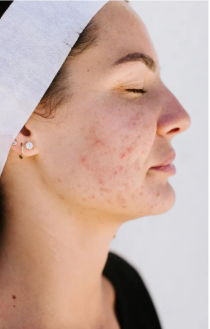
Acne is one of the most common skin concerns, affecting millions of people worldwide. Whether it’s persistent breakouts or stubborn acne scars, finding a suitable skin treatment can be challenging. While traditional methods like topical creams and medications help manage acne, they may not always provide long-term results.
This is where laser treatment has gained popularity as an advanced treatment option for acne and acne scars. But how does laser acne treatment work, and what results can it deliver?
In this article, we explore the benefits of acne laser treatments, how different technologies work and who may be a suitable candidate.
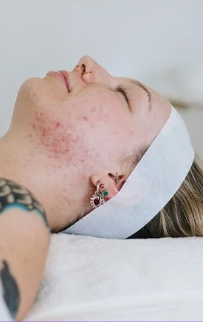
Acne Laser Treatment Explained
What is Laser Treatment and How Does It Work?
Laser treatment is an advanced skin treatment designed to target acne and acne scars using high-intensity light energy. The laser penetrates deep into the skin, stimulating collagen production and reducing inflammation. Our advanced acne laser treatments may assist in:

Minimising acne scars by resurfacing the skin

Promoting skin regeneration

Reducing excess oil production

Works beneath the skin’s surface, making it ideal for stubborn acne and scars

Killing acne-causing bacteria
Different Types of Laser Treatment for Acne
There are several types of laser treatments available, each catering to different acne concerns and skin types.
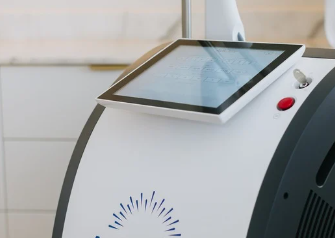
FRACTIONAL LASER
- Uses tiny laser beams to create micro-injuries in the skin.
- Triggers the body’s natural healing process to produce new collagen.
- May help address deep acne scars and improve skin texture.
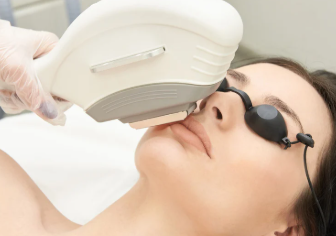
IPL (Intense Pulsed Light)
- Uses broad-spectrum light to target acne-causing bacteria and inflammation.
- Helps reduce redness, pigmentation and active acne breakouts.
- Suitable for mild to moderate acne cases.
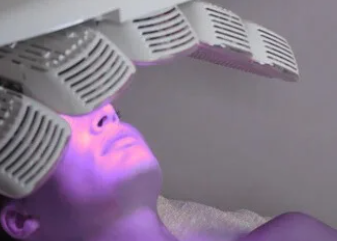
Blue Light Therapy
- Specifically targets Propionibacterium acnes (P. acnes), the bacteria responsible for breakouts.
- A non-invasive treatment that generally involves minimal discomfort and typically requires no downtime.
- Best for addressing active breakouts rather than scars.
Laser Treatment for Acne Scars — What Are Your Options?
Below are some of the available options and the possible benefits of laser treatment for acne scars:
Pico Genesis
Pico Genesis may be considered for post-acne pigmentation and dark marks left behind after breakouts. It uses laser energy to target excess pigment in the skin, helping to gradually improve the appearance of uneven tone with minimal downtime.
Vivace RF Skin Needling
Vivace RF Skin Needling combines microneedling with radiofrequency energy to encourage collagen production and remodelling. It may be considered for concerns such as textural acne scarring, uneven skin texture and enlarged pores.
Laser Genesis
Laser Genesis uses a 1064 nm Nd laser to gently heat the skin, which may encourage collagen remodelling and support improvements in overall skin texture.
How Laser Treatment Targets Acne Scars and Active Acne
For Active Acne
It reduces bacteria, controls sebum production and soothes inflammation, helping to prevent breakouts.
Acne Scars
By stimulating collagen production, it repairs damaged skin, smooths out scars and improves overall skin tone.
This combination makes laser treatment an appealing option for those struggling with persistent acne and scarring. However, the effectiveness depends on individual skin types, acne severity and the specific laser used.
How Effective Is Laser Treatment For Blemish-Prone Skin
Does Laser Treatment for Acne Work?
It reduces bacteria, controls sebum production, and soothes inflammation, helping to prevent breakouts.
Scientific Studies and Dermatologist Recommendations
It reduces bacteria, controls sebum production, and soothes inflammation, helping to prevent breakouts.
Factors That Influence Results
It reduces bacteria, controls sebum production, and soothes inflammation, helping to prevent breakouts.
Acne Scar Laser Treatment BEFORE AND AFTER
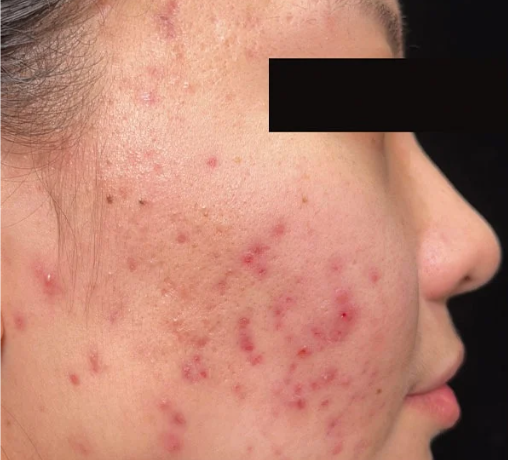
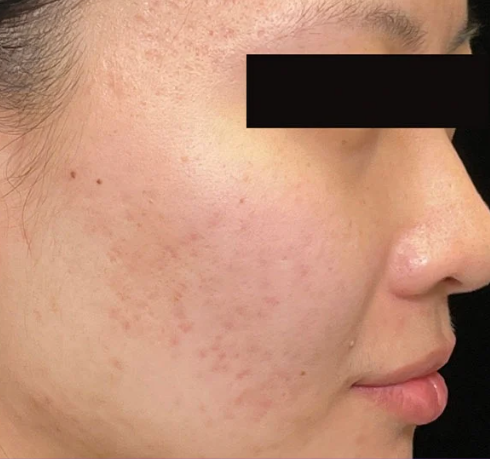
Laser treatment has gained popularity as an effective skin treatment for reducing acne scars, improving skin tone, and enhancing overall skin texture. However, before undergoing laser treatment for acne, it’s essential to understand the process, potential side effects, and realistic expectations.
What to Expect Before Undergoing Laser Treatment
Consultation with a Dermatologist
A consultation helps assess your cosmetic goals and suitability before a treatment plan is recommended.
Preparing the Skin
You may be advised to adjust certain skincare products, avoid excess sun exposure or follow other preparation steps before your appointment.
Possible Side Effects
Temporary redness, sensitivity, swelling or other skin responses may occur based on the treatment performed.
Before and After Results: What to Expect?
Patients undergoing acne scar laser treatment often see noticeable improvements within a few sessions. However, results depend on the severity of the scars and the type of laser used.
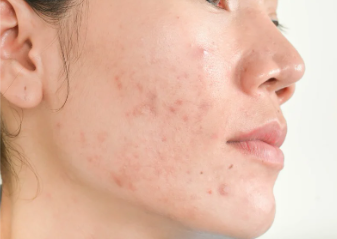
Improvement in Acne Scars
- Deep scars become less visible over time as collagen production increases.
- Boxcar, rolling, and ice-pick scars show significant reduction after multiple sessions.
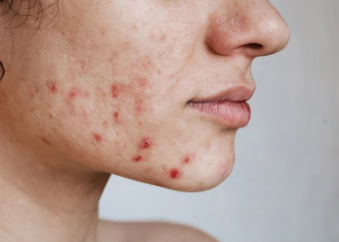
Reduction in Redness and Pigmentation
- Post-inflammatory hyperpigmentation (PIH) gradually fades.
- Uneven skin tone improves, giving a brighter and clearer complexion.
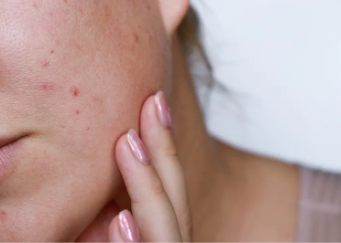
Enhanced Skin Texture
- Skin feels smoother and firmer as laser therapy stimulates new cell growth.
- Pores appear smaller, and the overall skin looks more refined.
Acne scar laser treatment before and after comparisons clearly show that laser therapy is an effective way to reduce scars and achieve healthier skin. While full results may take a few months to develop, most people see progressive improvements with each session.
Pros and Cons of Laser Acne Treatment
Potential Benefits
- May help in managing active breakouts, redness, pigmentation or scarring
- Can be tailored to different skin concerns
- Some treatments involve minimal downtime
Things to Consider
- Multiple sessions may be needed
- Results vary between individuals
- Mild redness, sensitivity or swelling may occur
- Not every laser is suitable for every skin type or acne concern
- Costs and downtime vary between treatments
Who Should Consider Laser Acne Treatment?
Laser treatment is not a one-size-fits-all solution. While it is highly effective for many individuals, some people may benefit more from alternative skin treatments. Understanding who makes an ideal candidate for laser treatment for acne can help you make an informed decision.
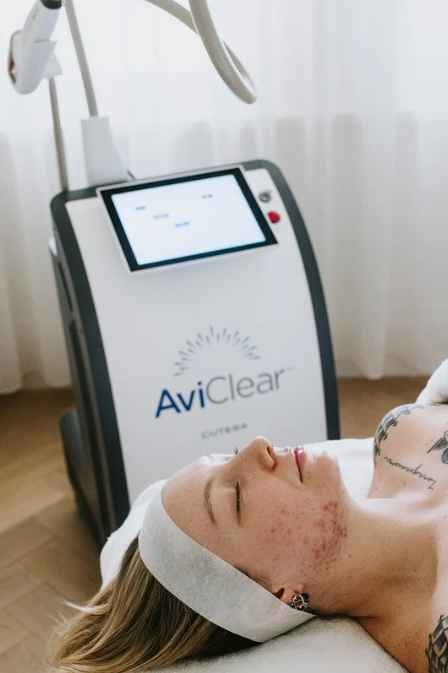
Best Candidates for Acne Scar Laser Treatment
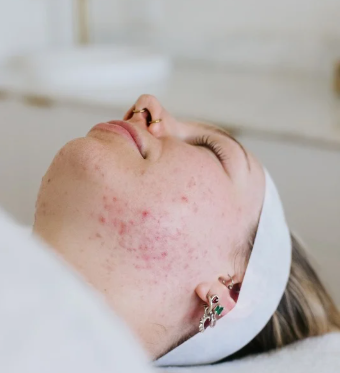
Moderate to Severe Acne Scars
- Individuals with deep-pitted scars, boxcar scars, rolling scars, or hyperpigmentation can see significant improvements.
- Those who have tried topical creams or other treatments without success may benefit from acne scar laser treatment.
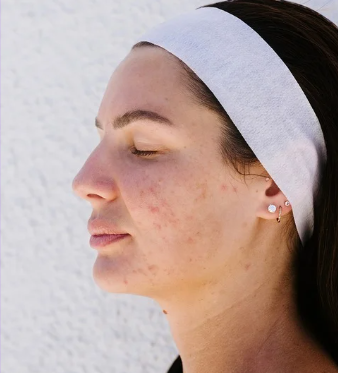
Persistent Acne Breakouts
- If acne breakouts are difficult to control despite medications or skincare routines, laser treatment for acne can help by reducing bacteria and oil production.
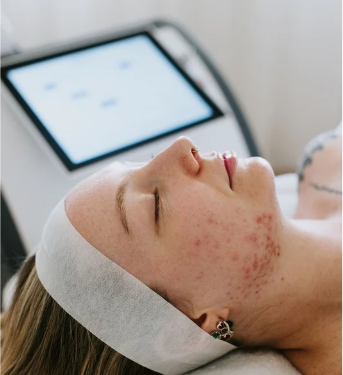
Long-Term Skin Improvement
- Laser treatment boosts collagen production, making it an ideal choice for those seeking permanent skin texture improvements.
People Who May Need Alternative Skin Treatments
Individuals with Active Infections or Severe Skin Sensitivity
It reduces bacteria, controls sebum production, and soothes inflammation, helping to prevent breakouts.
People with Very Dark Skin Tones
It reduces bacteria, controls sebum production, and soothes inflammation, helping to prevent breakouts.
Pregnant or Breastfeeding Women
It reduces bacteria, controls sebum production, and soothes inflammation, helping to prevent breakouts.
Individuals Prone to Keloid Scarring
It reduces bacteria, controls sebum production, and soothes inflammation, helping to prevent breakouts.
Book a Consultation with a Dermatologist Before Opting for Treatment
Before undergoing laser treatment, it is crucial to consult with a dermatologist or skincare specialist to:
- Assess your skin type, acne severity, and medical history.
- Determine the most suitable laser treatment based on your specific needs.
- Discuss realistic expectations and potential side effects.
Laser treatment for acne has proven to be an effective skin treatment for reducing breakouts, minimizing scars, and improving overall skin texture. With various laser technologies available—such as fractional laser, CO2 laser, IPL, and blue light therapy—individuals can find a solution tailored to their specific skin concerns. While acne scar laser treatment before and after results show significant improvements, it’s essential to understand that the effectiveness varies based on factors like acne severity, skin type, and the number of sessions required.
If you’re considering laser treatment for acne, consulting a dermatologist or skincare specialist is crucial. A professional can assess your skin condition, recommend the most suitable laser type, and provide a customised treatment plan for optimal results.
Ready to Transform Your Skin?
If acne scars or persistent breakouts have been a challenge, laser therapy might be the solution you’ve been looking for. Schedule a consultation with a skincare expert today to explore the best treatment options for your skin.
For more insights on skin treatments, acne solutions, and expert skincare tips, check out our latest articles and stay informed about the latest advancements in dermatology!
FAQs
Is laser treatment effective for acne scars?
Laser treatments may help soften the appearance of certain acne scars. However, results vary, so an individual assessment is recommended.
Does laser acne treatment hurt?
Sensations vary between treatments and individuals. Some people may experience warmth, tingling or mild discomfort during a session.
How many acne laser treatment sessions do you need?
Many acne laser and energy-based treatments involve around three to six sessions, although the number needed depends on the chosen technology and your skin’s response.
Is laser acne treatment safe for all skin types?
Skin tone, sensitivity, current medications and the treatment concern can influence suitability, so a consultation is important before proceeding.